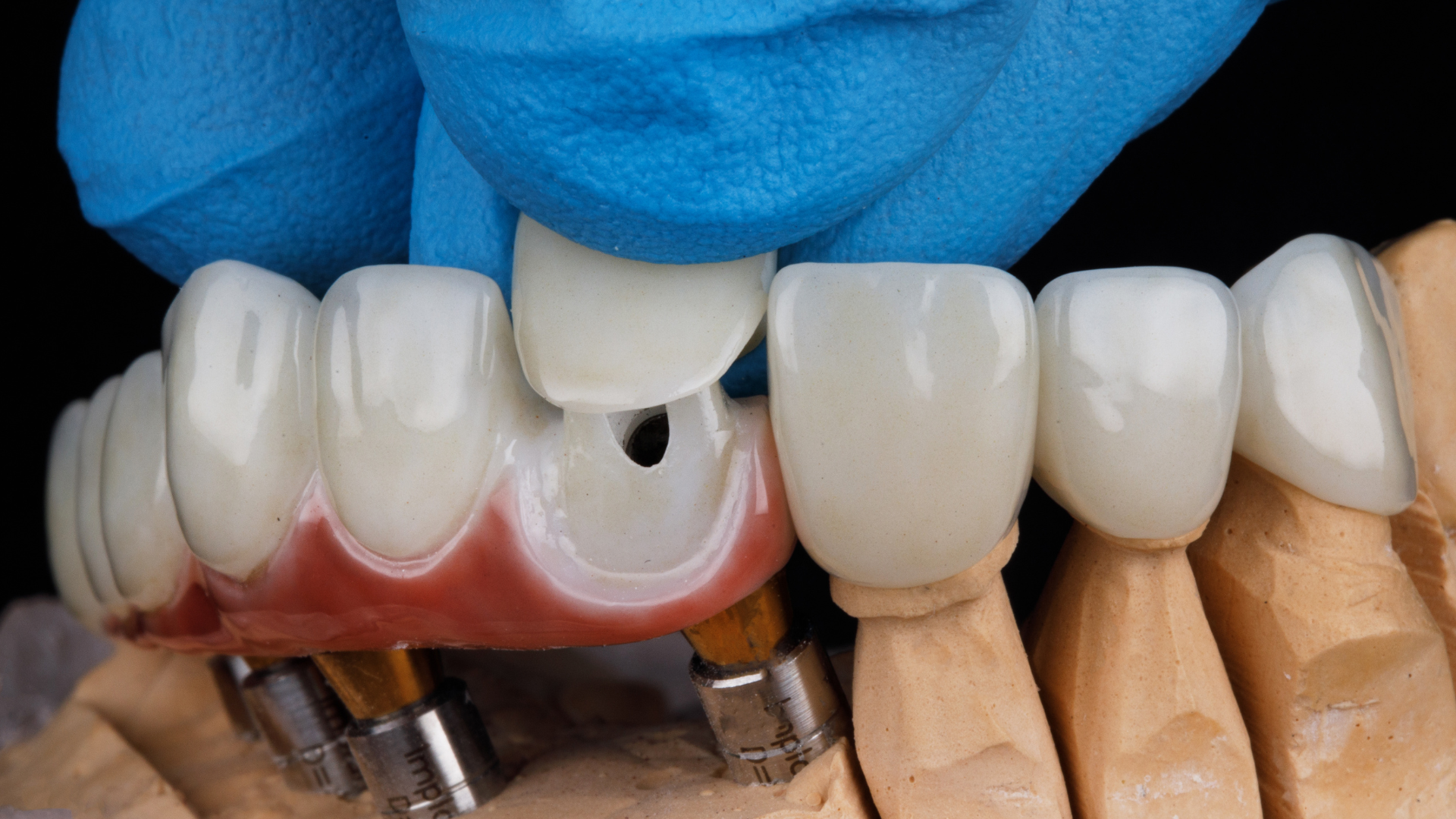
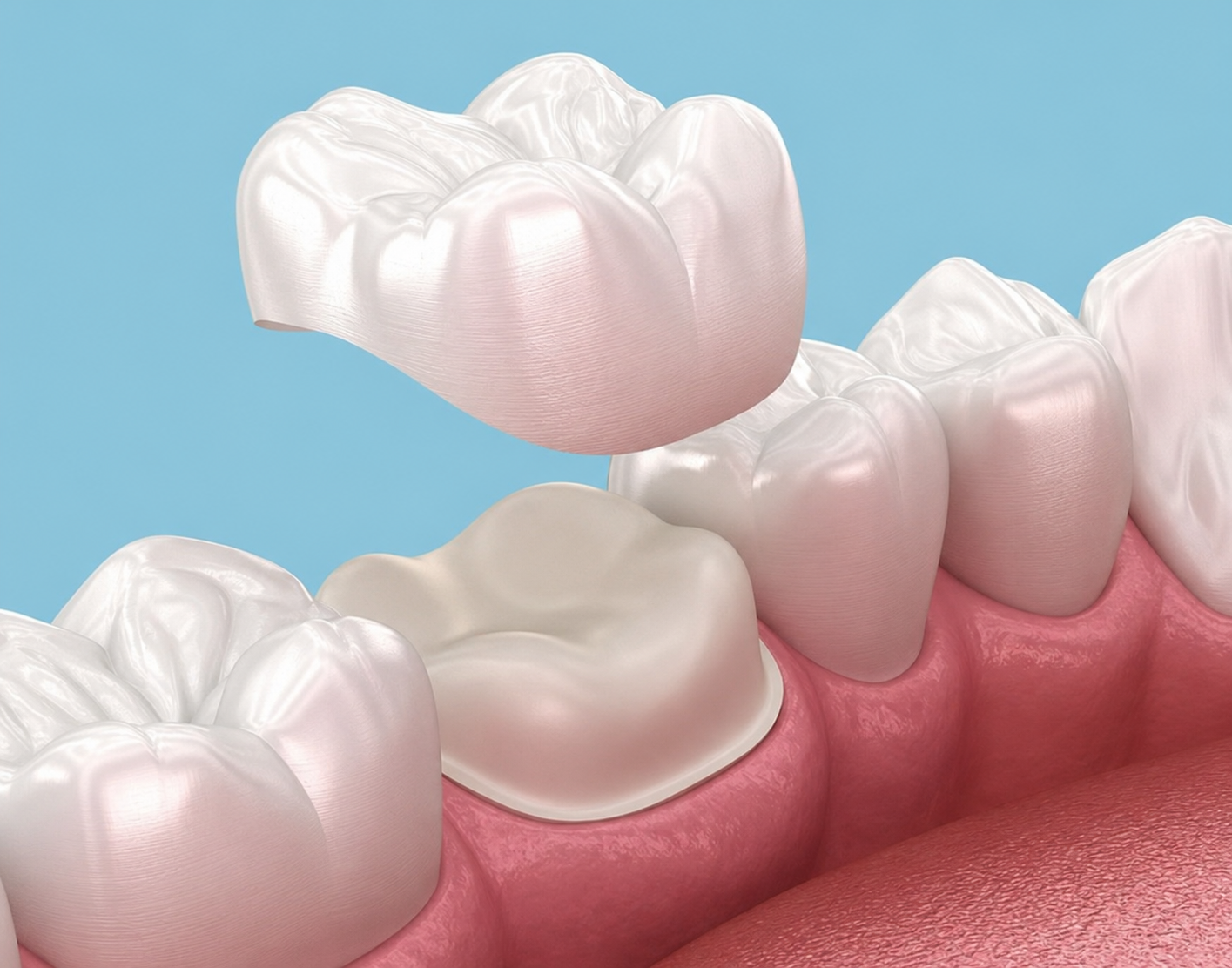
A dental crown is a cap that fits over a tooth to cover it, hold it together, and bring back its normal shape and bite. It is usually a good fit for a tooth that is cracked, badly worn, has a large filling, or has just had a root canal and needs extra support.
At Penn Family Dental in DuBois, your dentist starts by checking the tooth and taking any images needed. If a crown makes sense, they numb the area, shape the tooth so the crown can sit over it, and take an impression. In many cases you leave with a temporary crown while the final one is made, then come back for a short visit to have it placed and adjusted. Plan on about an hour for each appointment, though your own timing can vary depending on the tooth.
A crown wraps the whole tooth, so it takes pressure off a weak spot and lets you chew on that side again without babying it. For a tooth that has a crack or a large old filling, this can help you avoid a bigger problem down the road.
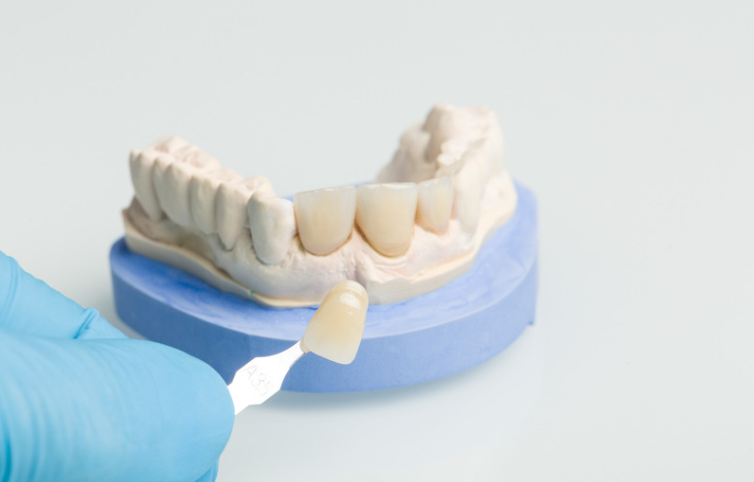
Crowns are also made to match the look of your other teeth. Each crown is shaped and shaded so it blends in, which matters a lot when the tooth shows near the front of your smile.
Recovery is usually straightforward. Your lip and gum may feel numb for a few hours, and the tooth can be a little sensitive to hot or cold for a short while. Most people go back to their normal day quickly, and you can keep the crown healthy by brushing, flossing, and coming in for regular checkups just like you would with a natural tooth.
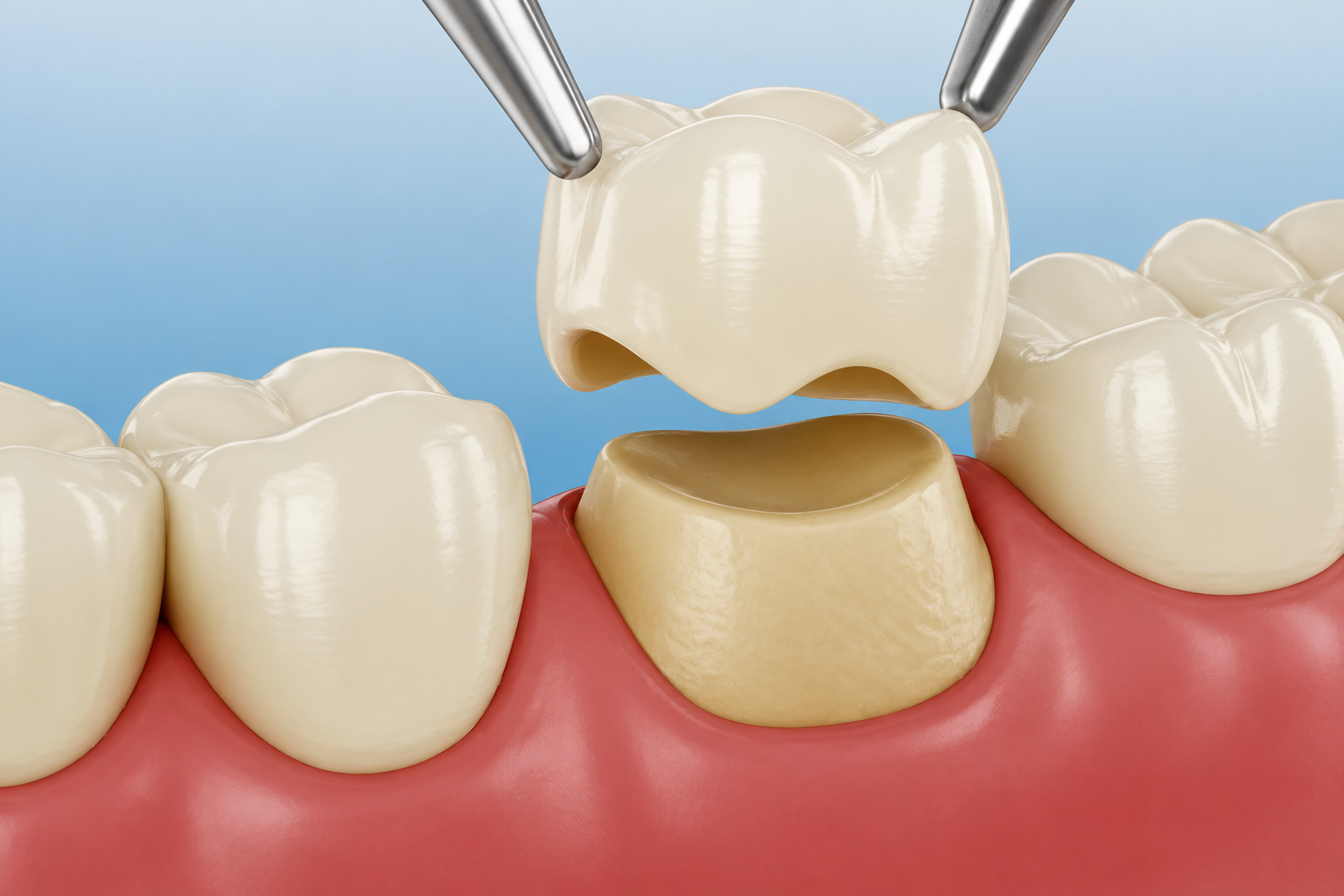
If you have a tooth that is cracked or broken and you are worried about losing it, a crown can hold the pieces together and cover the weak areas. This is common for back teeth that take a lot of force when you chew.
A tooth with a very large filling can also be a good candidate. When there is more filling than natural tooth left, the tooth is more likely to split, and a crown gives it the support a filling alone cannot.
Crowns are often used after a root canal, since that tooth tends to become brittle and needs protection. That said, a crown is not always the right call. If the damage is small, dental bonding may be enough, and if the tooth is too far gone to save, your dentist will talk with you honestly about other options.