
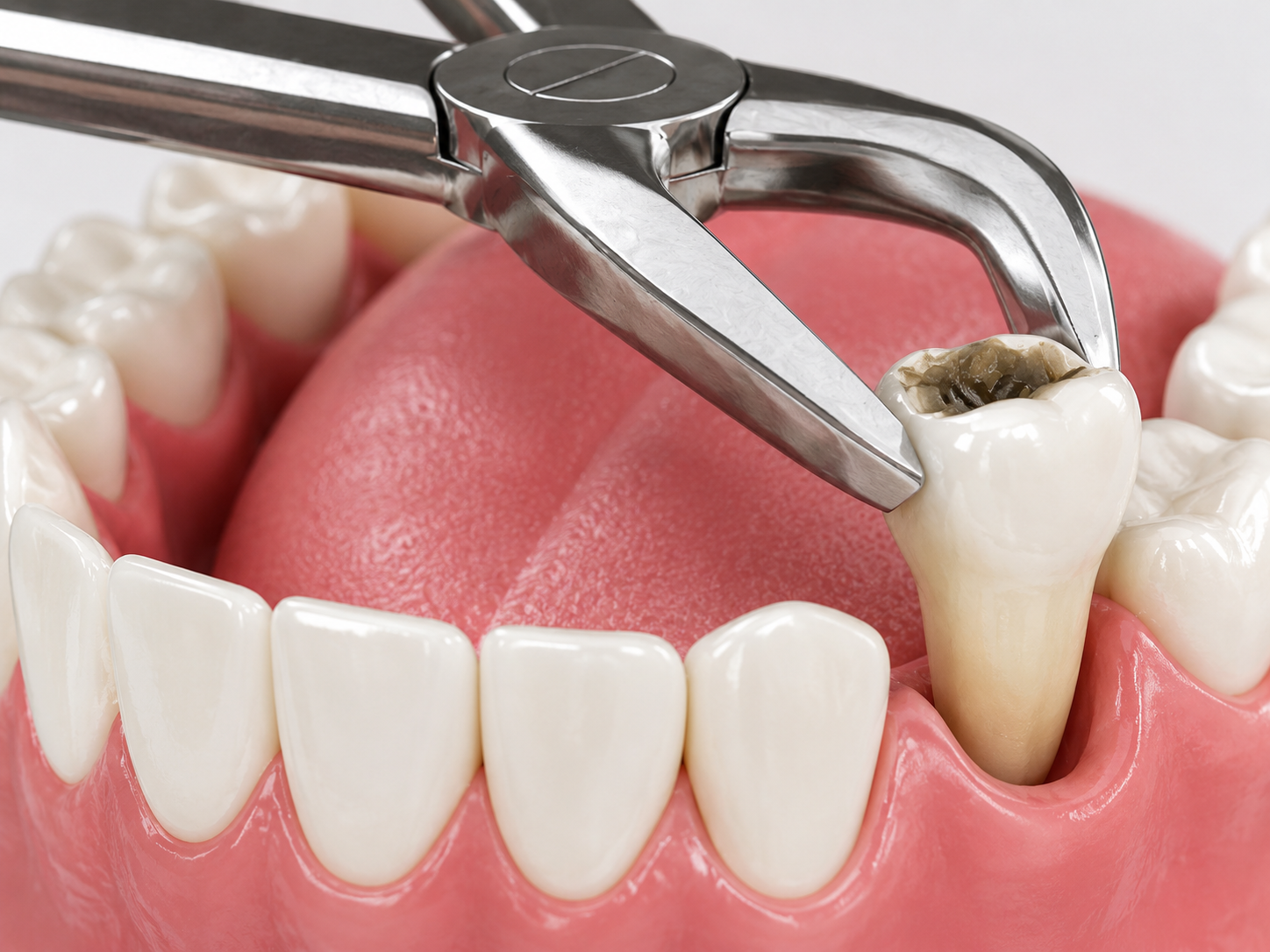
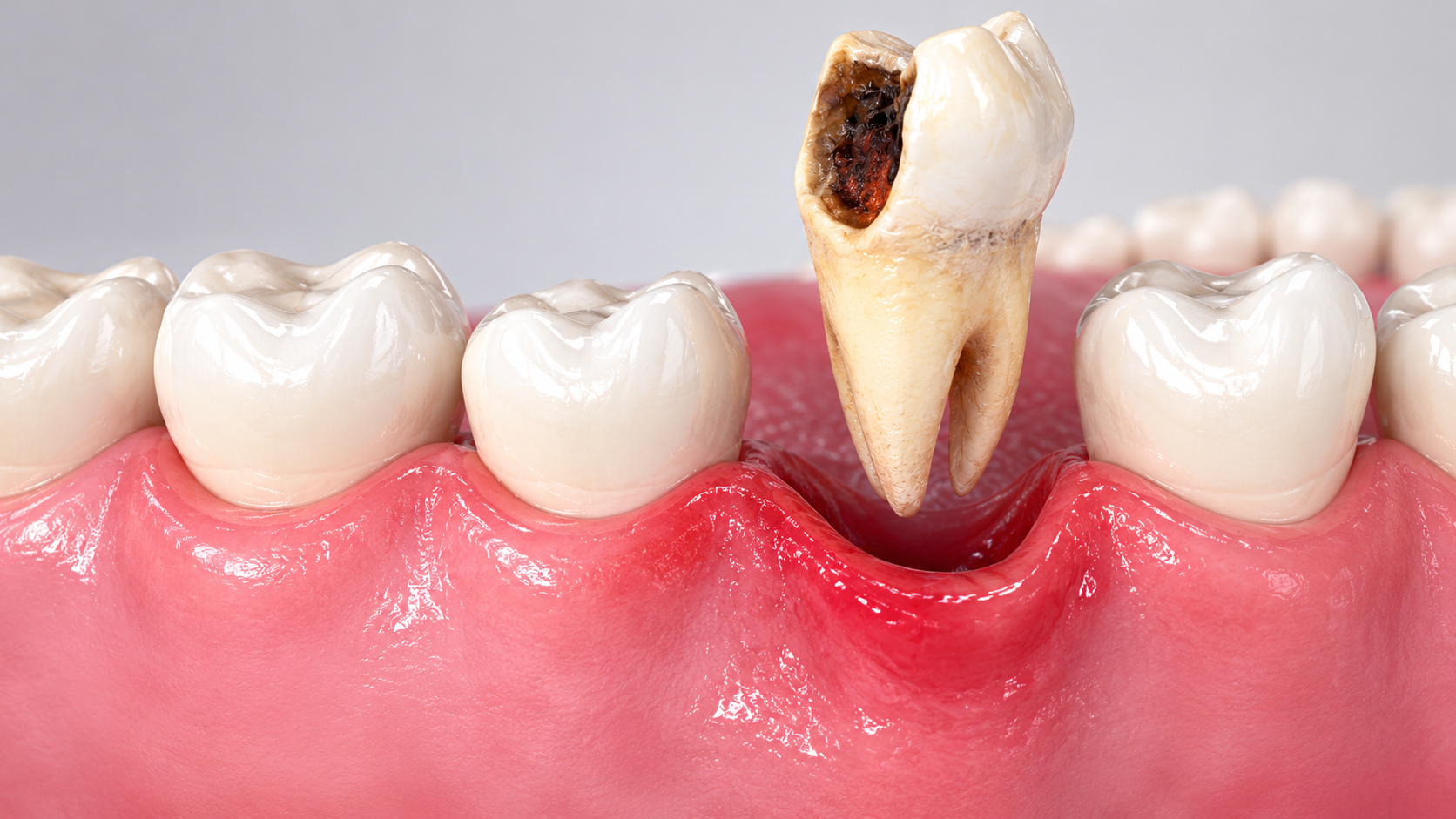
A tooth extraction is the removal of a tooth from its socket in the bone. It is usually for people with a tooth that is badly decayed, cracked below the gum, loose from gum disease, or causing crowding that other treatments cannot fix.
At Penn Family Dental in DuBois, your dentist starts by looking at the tooth and taking an X-ray to see the roots and surrounding bone. You get numbing medicine so the area is not sensitive during the procedure. For a simple extraction, the tooth is loosened and gently lifted out. If the tooth is broken or stuck under the gum, a surgical approach may be needed, which can take a little longer. Most single extractions are done in about 20 to 40 minutes, and you will get aftercare instructions before you leave.
Removing a problem tooth often takes away the pain that comes with deep decay, infection, or pressure on nearby teeth. Many patients feel better within a few days once the source of the trouble is gone.
Taking out a tooth can also protect the teeth around it. A cracked or infected tooth can spread bacteria and put strain on its neighbors, so removing it can help keep the rest of your mouth healthier.
Recovery is usually straightforward. You bite on gauze to help a clot form, rest for the first day, and stick to soft foods and cool liquids. Most people manage any soreness with over the counter pain relievers and feel close to normal within a few days. Avoid smoking, straws, and vigorous rinsing early on, since these can loosen the clot. Your dentist will go over exactly what to watch for and when to call the office.

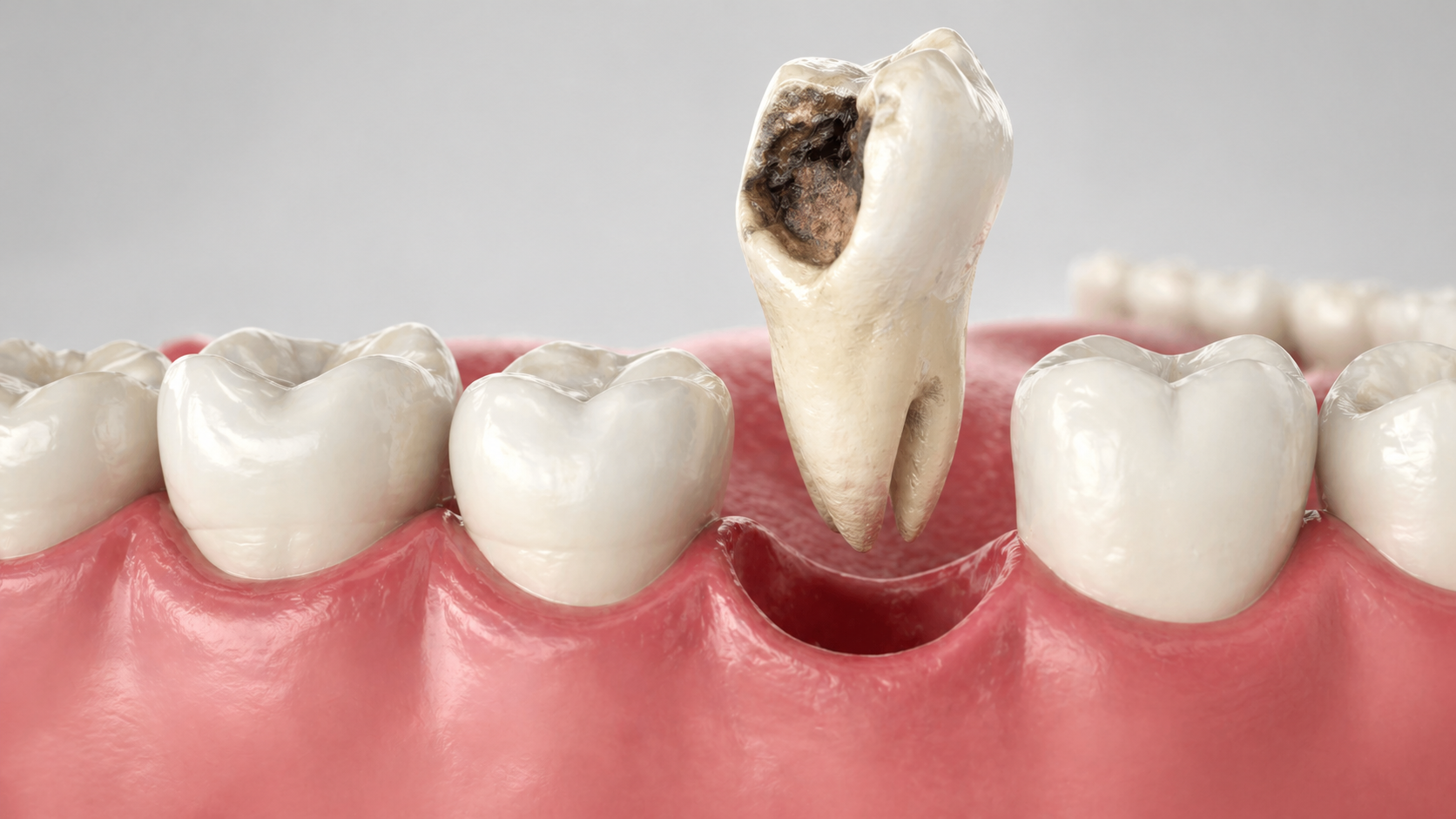
A tooth that is cracked or broken down to the gum line is a common reason for extraction. When there is not enough healthy tooth left to support a repair, removing it is often the more sensible path. If the tooth is damaged but still has a solid base, a crown may be a better fit, and your dentist will talk that through with you.
Severe gum disease can loosen teeth until they can no longer be saved. When a tooth is very mobile and the bone around it has broken down, taking it out can stop ongoing infection and discomfort.
Deep decay or an abscess that has reached the nerve is another situation. In some of these cases a root canal can save the tooth, so your dentist will check whether that option fits before recommending removal.