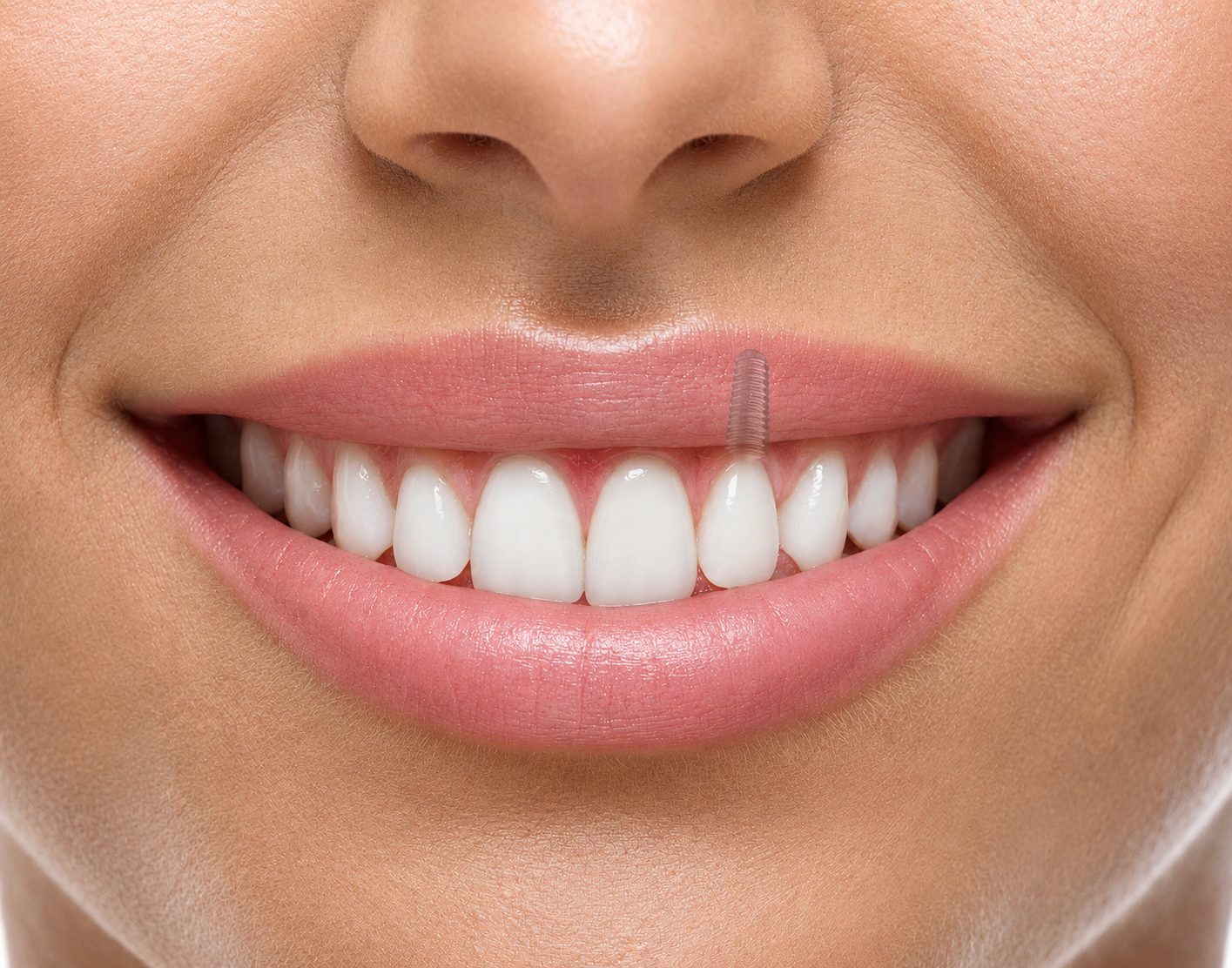
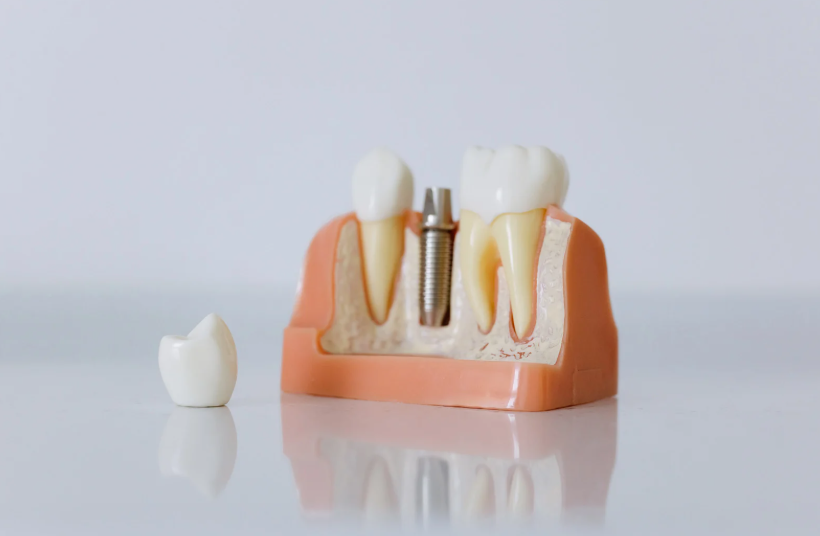
A dental implant is a small titanium post that takes the place of a missing tooth root, with a crown attached on top to fill the gap. It is usually a good fit for adults who have lost a tooth to decay, injury, or gum disease and have enough healthy bone to hold the post.
At Penn Family Dental in DuBois, your care starts with an exam and images so your dentist can check the bone and plan where the implant should sit. The post is placed into the jaw during a procedure done with numbing, and then the area is given time to heal, often a few months, while the bone grows around the post. Once it has settled, a connector and a custom crown are added to complete the tooth. The whole process spreads across several visits, and the exact timeline depends on how your mouth heals.
An implant stands on its own in the jaw, so it does not rely on the teeth next to it for support. That means your neighboring teeth are left alone, unlike a bridge that needs them shaped down. Many patients also find that chewing feels close to normal once the implant is in place.
Because the post replaces the root, it helps keep the jawbone active in that spot. When a tooth is missing for a long time, the bone in that area can shrink over time. An implant gives the bone something to work against, which can help hold the shape of your jaw and face.
Recovery is usually manageable. Most people have some swelling and soreness for a few days after the post is placed, which can often be handled with rest and the pain relief your dentist suggests. You keep the implant clean by brushing and flossing like a natural tooth, and regular checkups let us keep an eye on how it is holding up.
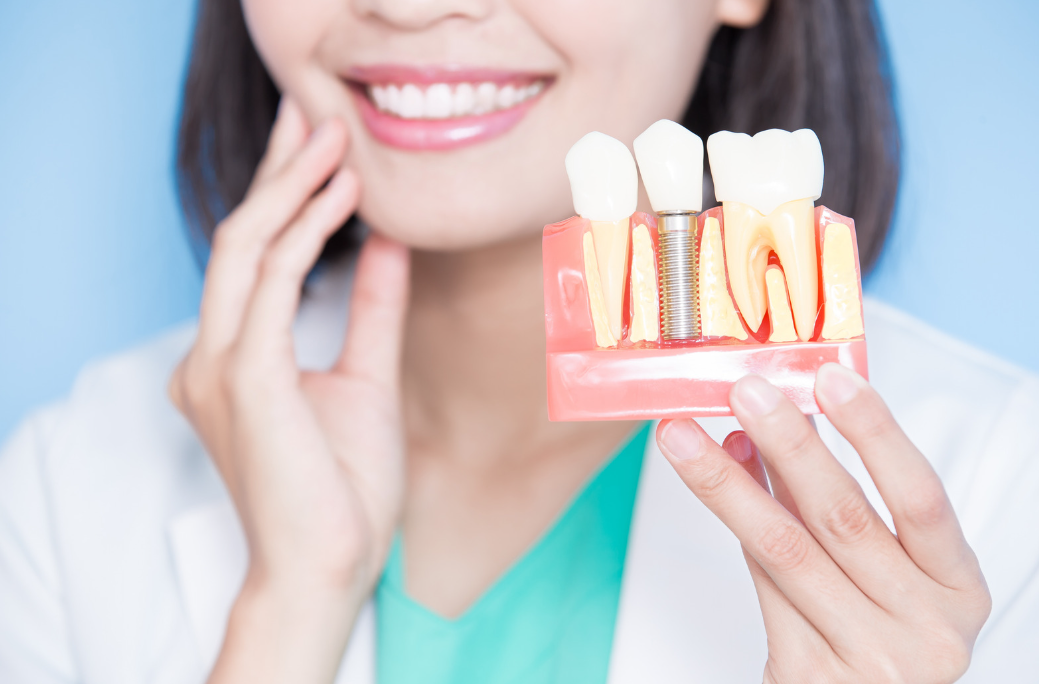
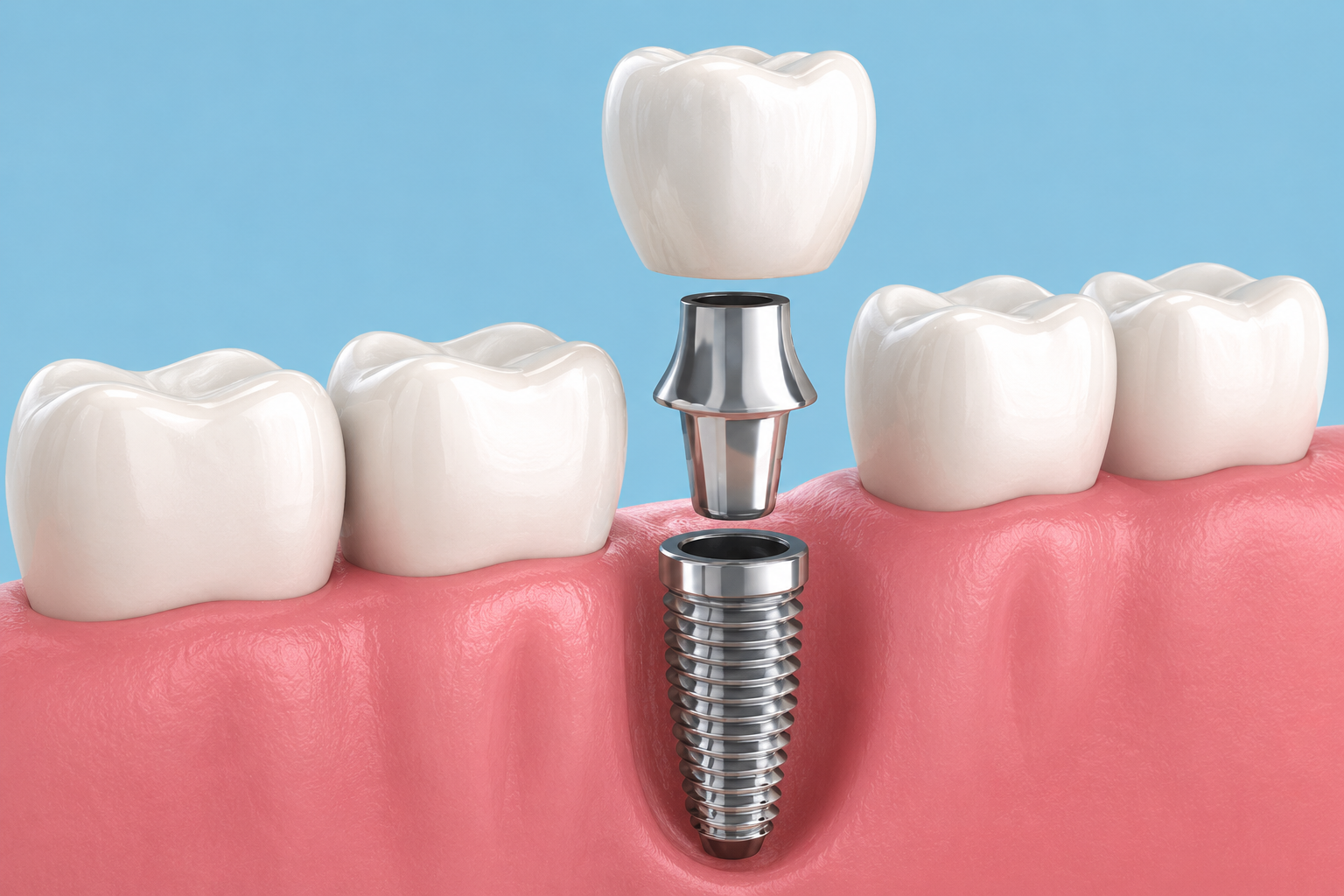
If you are missing a single tooth and do not want to touch the teeth on either side, an implant is often a practical choice. It fills the gap with a standalone crown that matches the look of your other teeth.
Implants can also help if you are missing several teeth in a row or are tired of a removable partial that shifts around. In some cases, a few implants can anchor a larger restoration so it stays put while you eat and talk. Your dentist will look at your bone and gums to see what layout fits your situation.
That said, an implant is not right for everyone. If a tooth is cracked or decayed but the root is still solid, a crown may be the better fit and let you keep the natural tooth. If you do not have enough bone to hold a post, we will talk through what needs to happen first, and some patients may be better served by a bridge or denture instead.