Dental bonding is a treatment where a tooth colored resin is applied to a tooth and shaped to repair a chip, close a small gap, or cover a stain. It is usually a good fit for people who have minor cosmetic concerns and want a simple option that keeps most of their natural tooth.
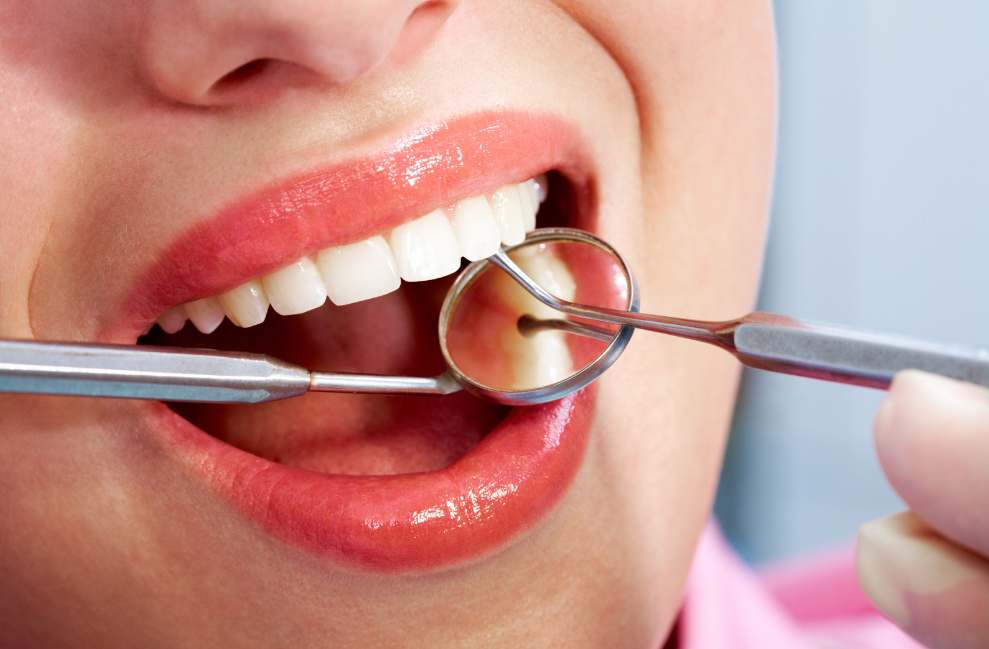
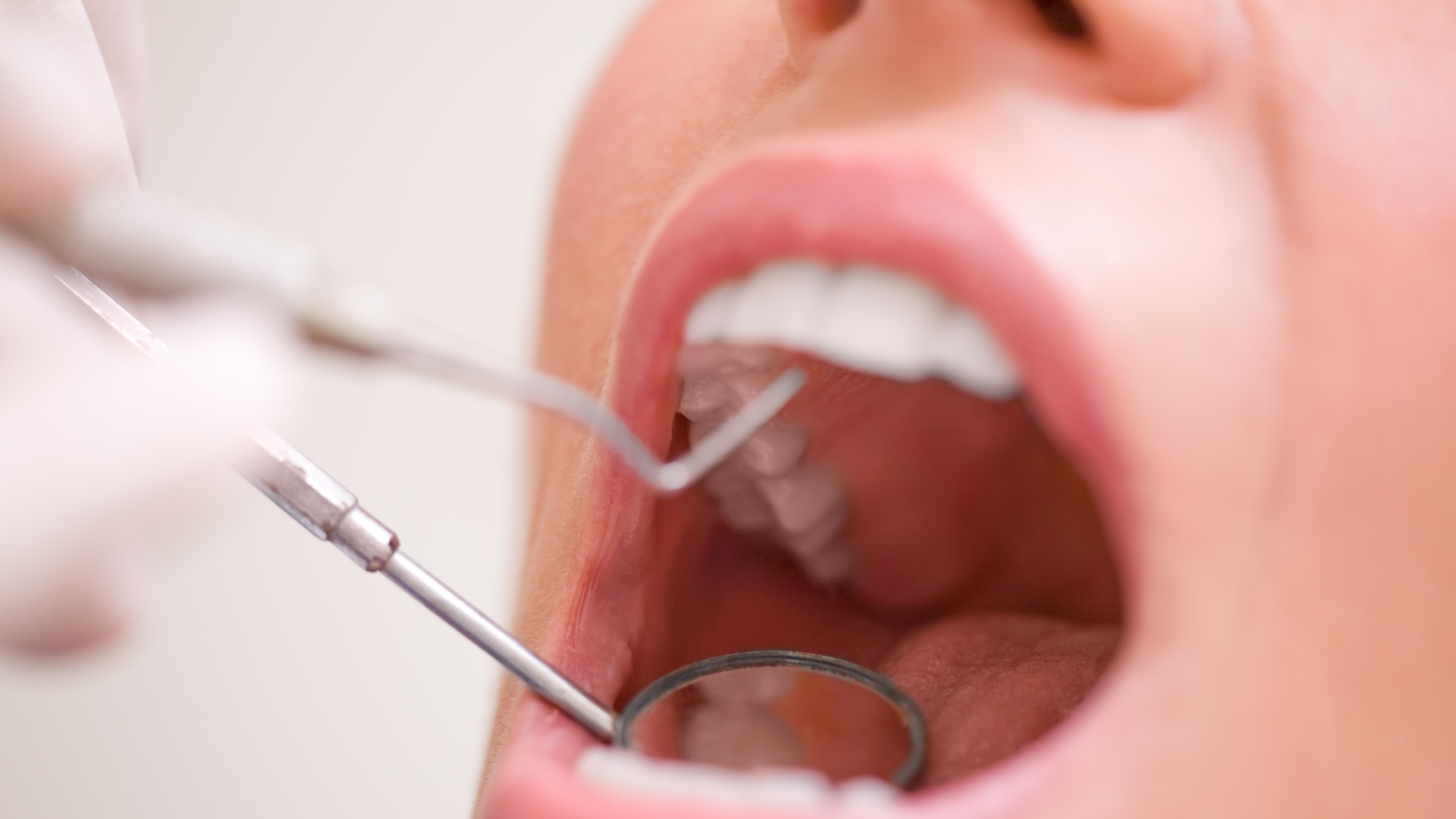
At Penn Family Dental, your dentist starts by matching the resin to the color of your teeth so the repair blends in. Next, they prepare the surface of the tooth, apply the resin, shape it to look natural, and use a special light to harden it. The last step is polishing so it feels smooth. Most bonding on a single tooth takes about 30 to 60 minutes, and many patients have it done in one visit here in DuBois.
One of the main reasons people choose bonding is that it is conservative. In most cases the tooth does not need to be filed down much, so you keep more of your natural structure compared to some other cosmetic options.
Bonding is also quick. Many repairs are finished in a single appointment, which means you usually do not need to plan time off work or wait weeks for a lab to make anything. You walk in with a chip and often leave the same day with it fixed.
Aftercare is simple. There is no real recovery period, and you can usually eat and drink normally soon after, though your dentist may suggest going easy on very hard foods at first. Brush and floss as usual, and try to limit things that stain like coffee and tobacco, since bonding can pick up color over time. Regular checkups help your dentist catch any wear early.
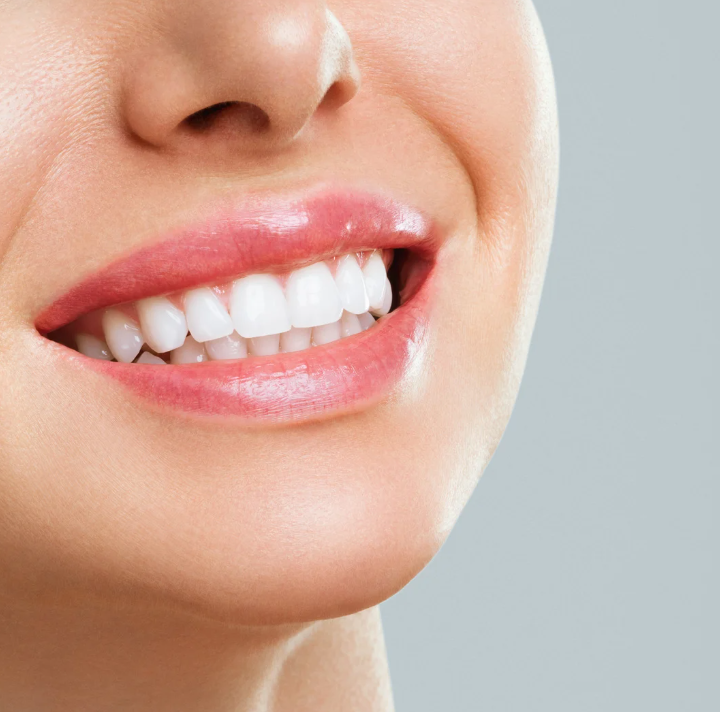
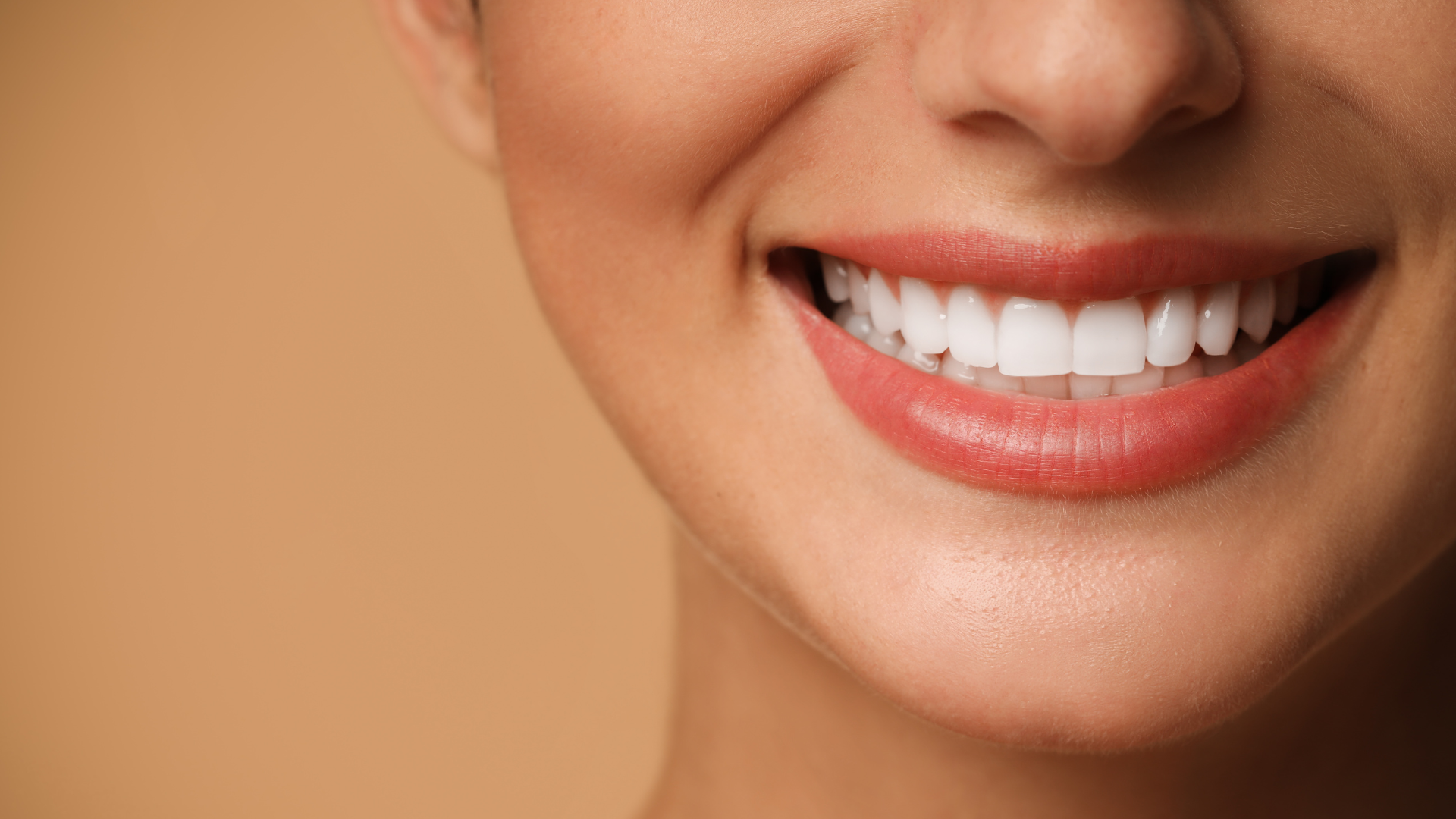
A common reason people come in is a chipped or cracked front tooth. Maybe you bit down on something hard or had a small accident, and now there is a rough or uneven edge. Bonding can rebuild that edge and smooth it out.
Small gaps between teeth are another situation bonding handles well. If you have a space that bothers you when you smile or talk, resin can be added to close or narrow it without braces or aligners.
Bonding also covers stains or discoloration on a tooth that does not respond to whitening, and it can reshape a tooth that looks a little short or pointed. If a tooth is badly broken, decayed, or under a lot of bite pressure, a crown may be a better fit, since bonding is meant for smaller repairs. Your dentist will check the tooth and tell you honestly which option makes more sense for you.